
Community engagement defines the Leisure Centre’s Feature Requirements
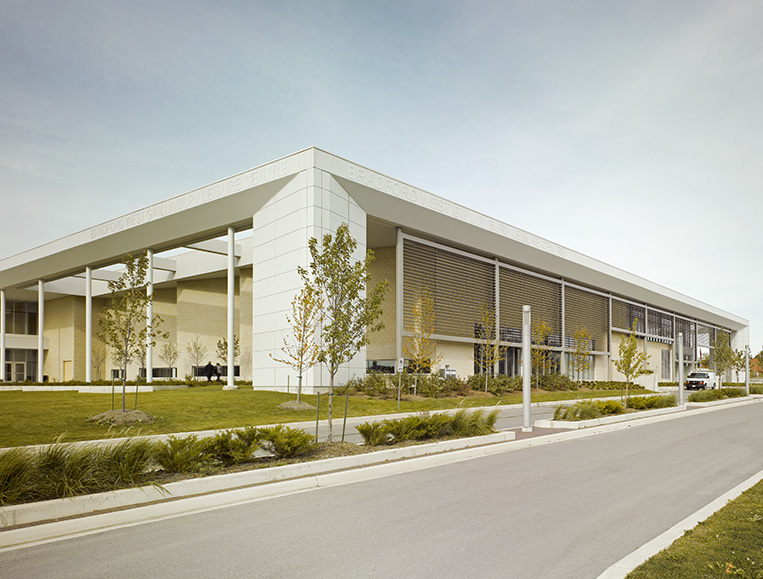
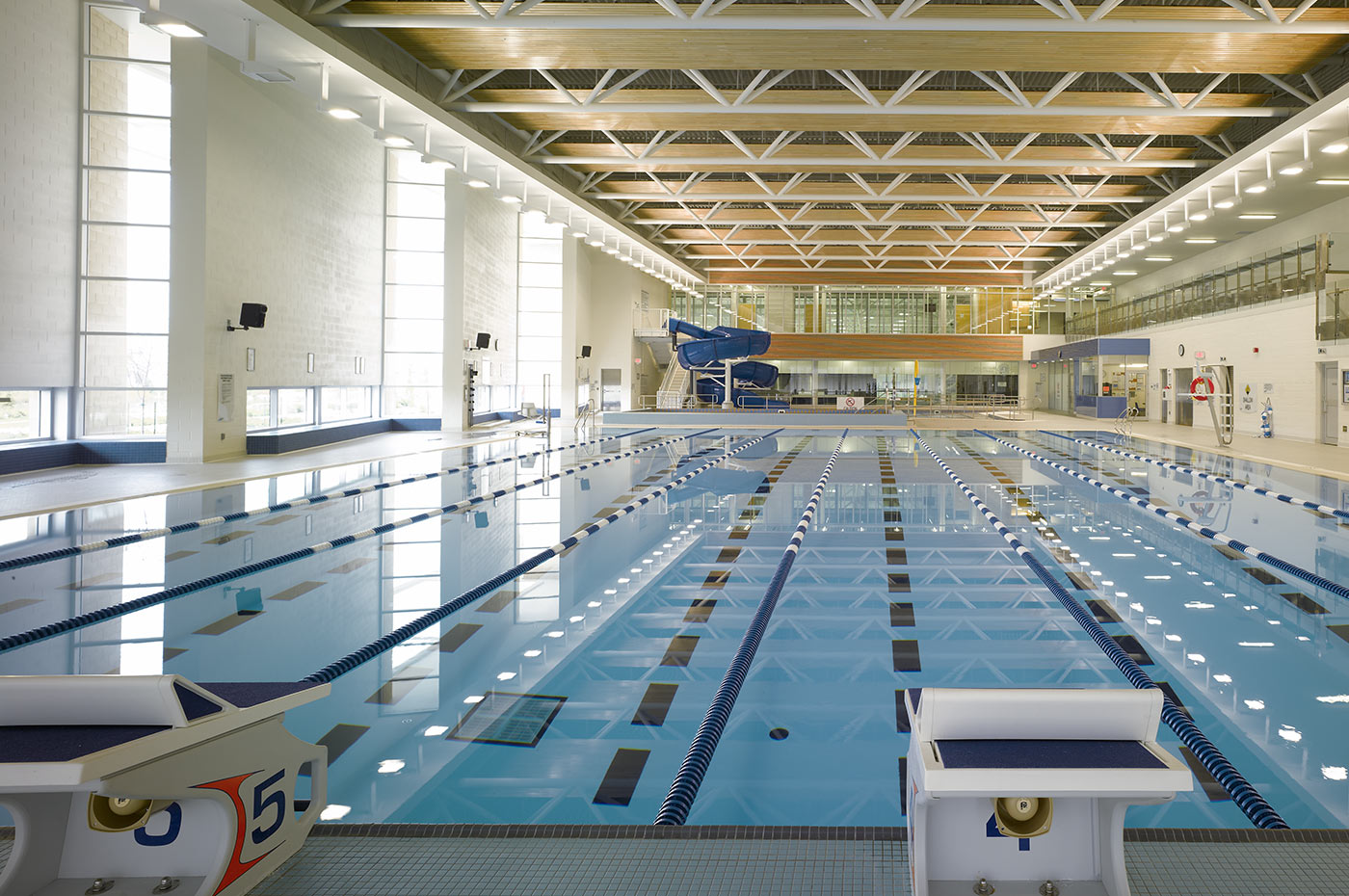
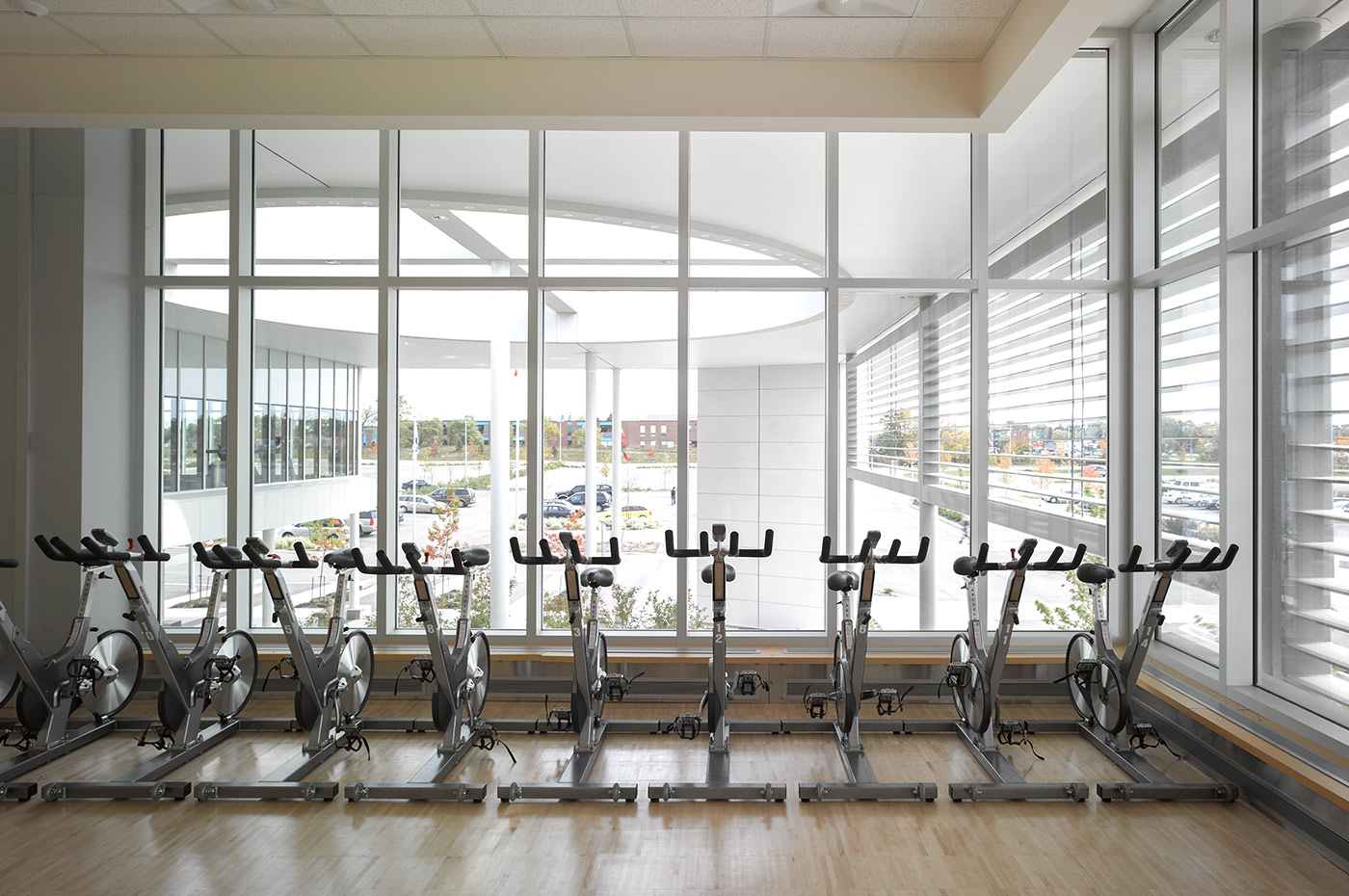
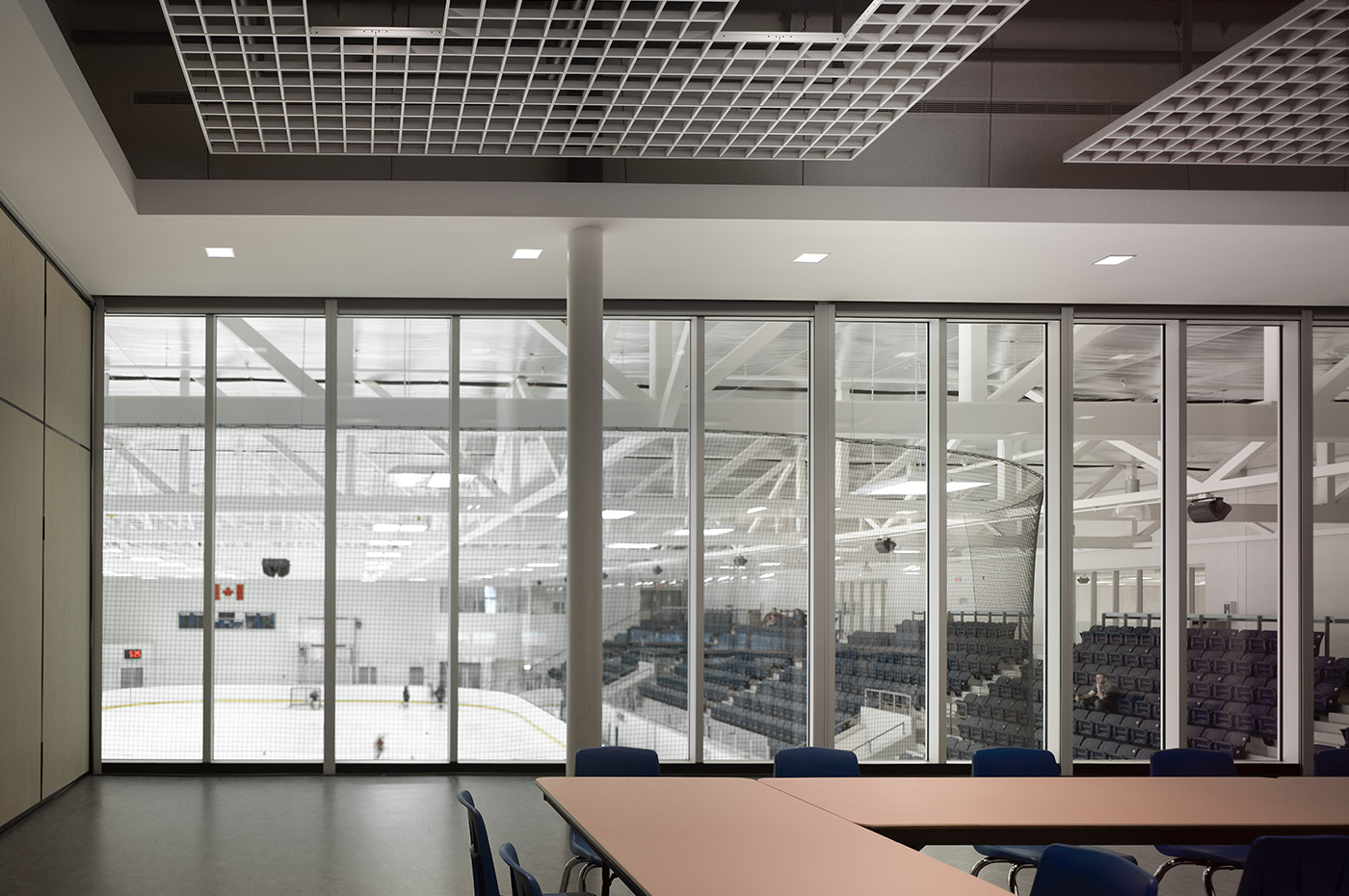
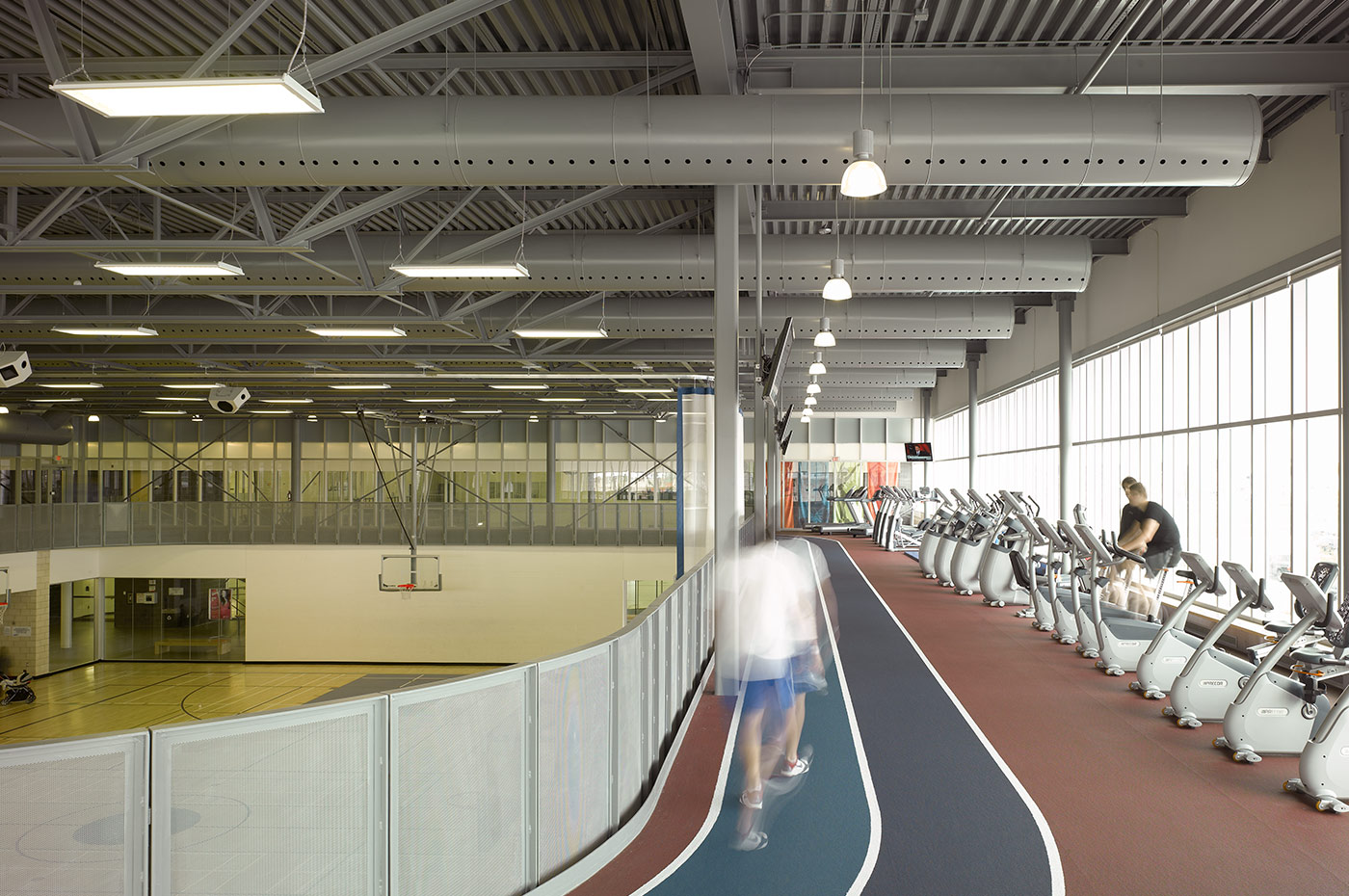
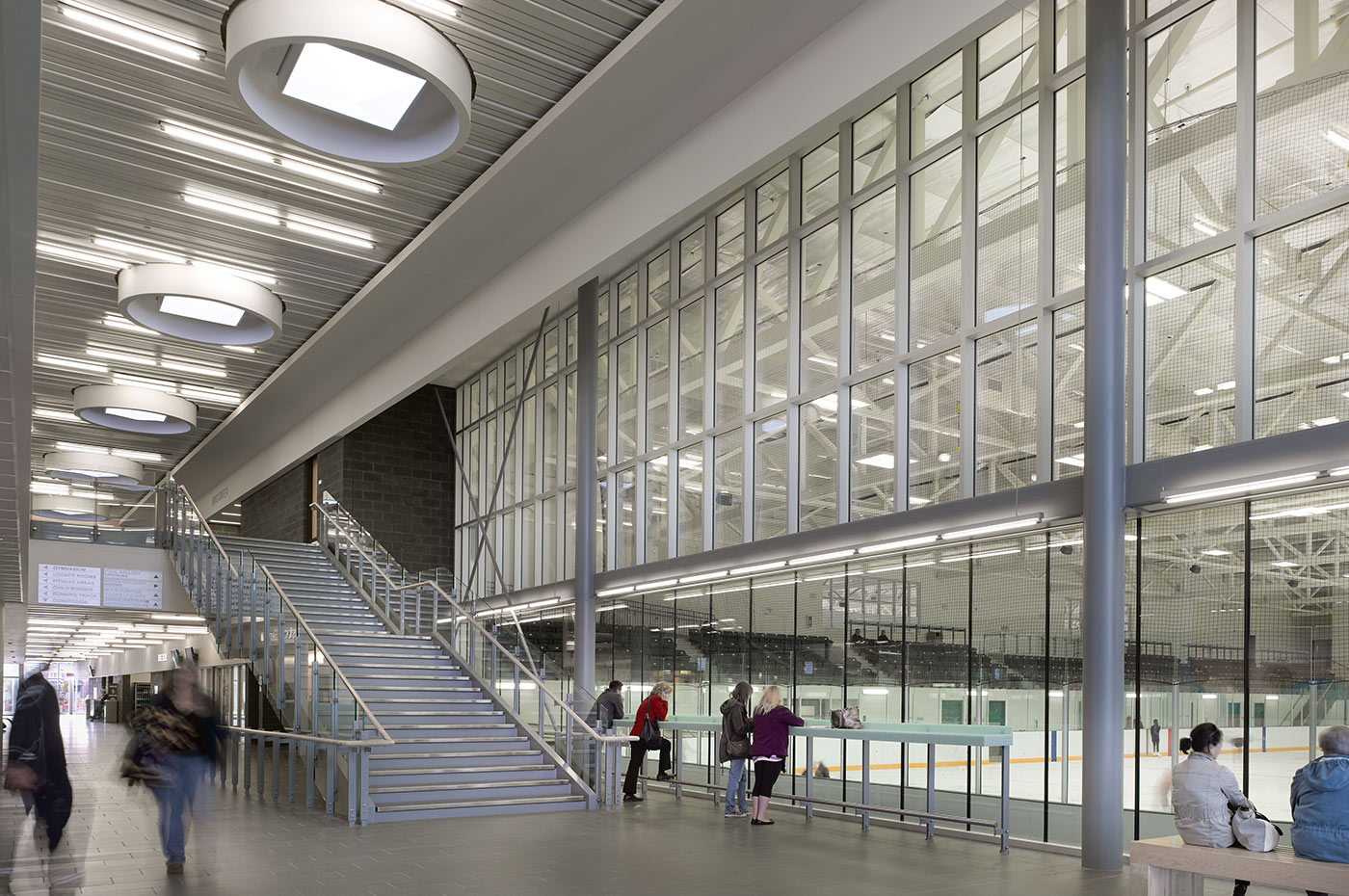
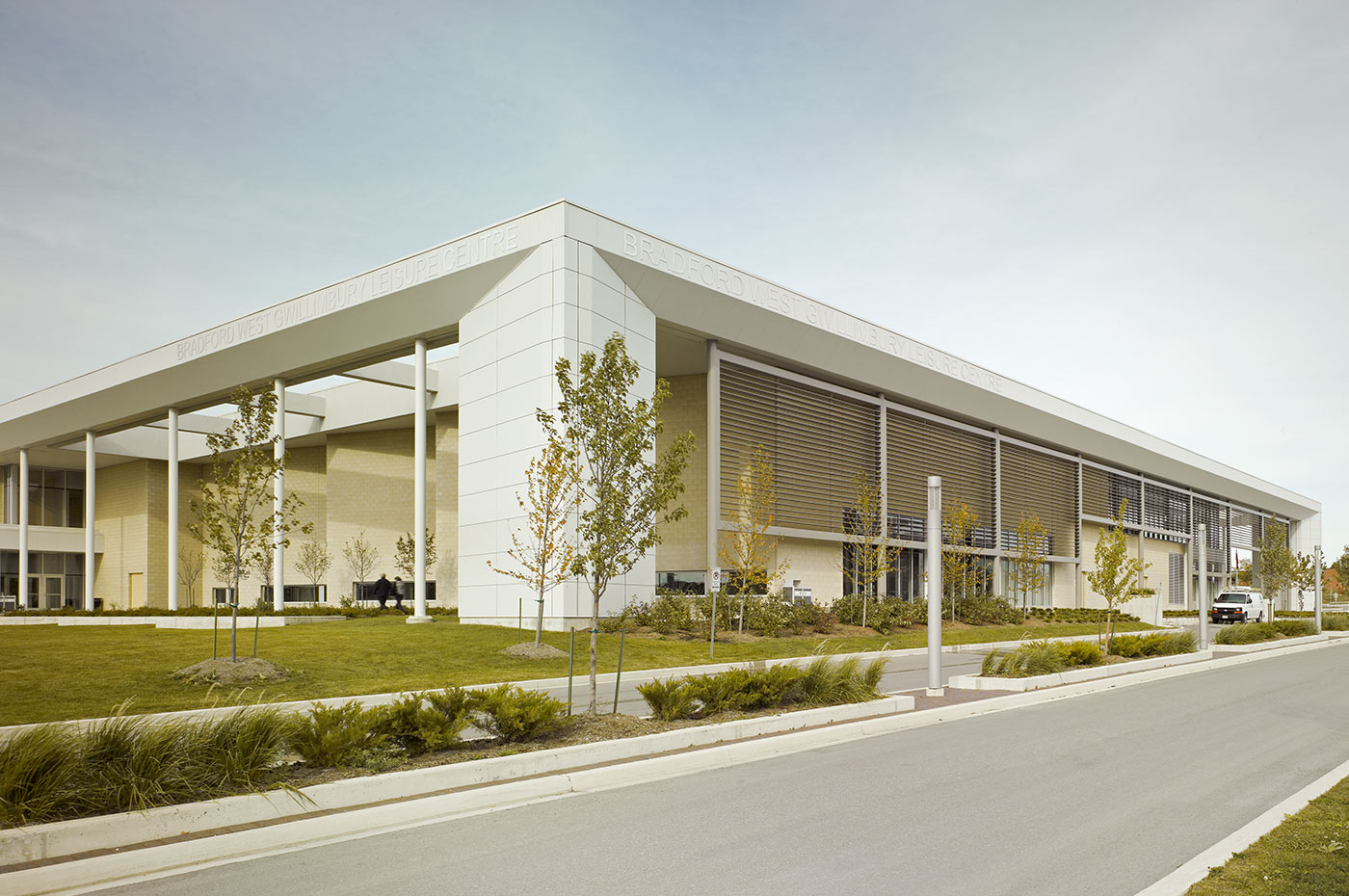
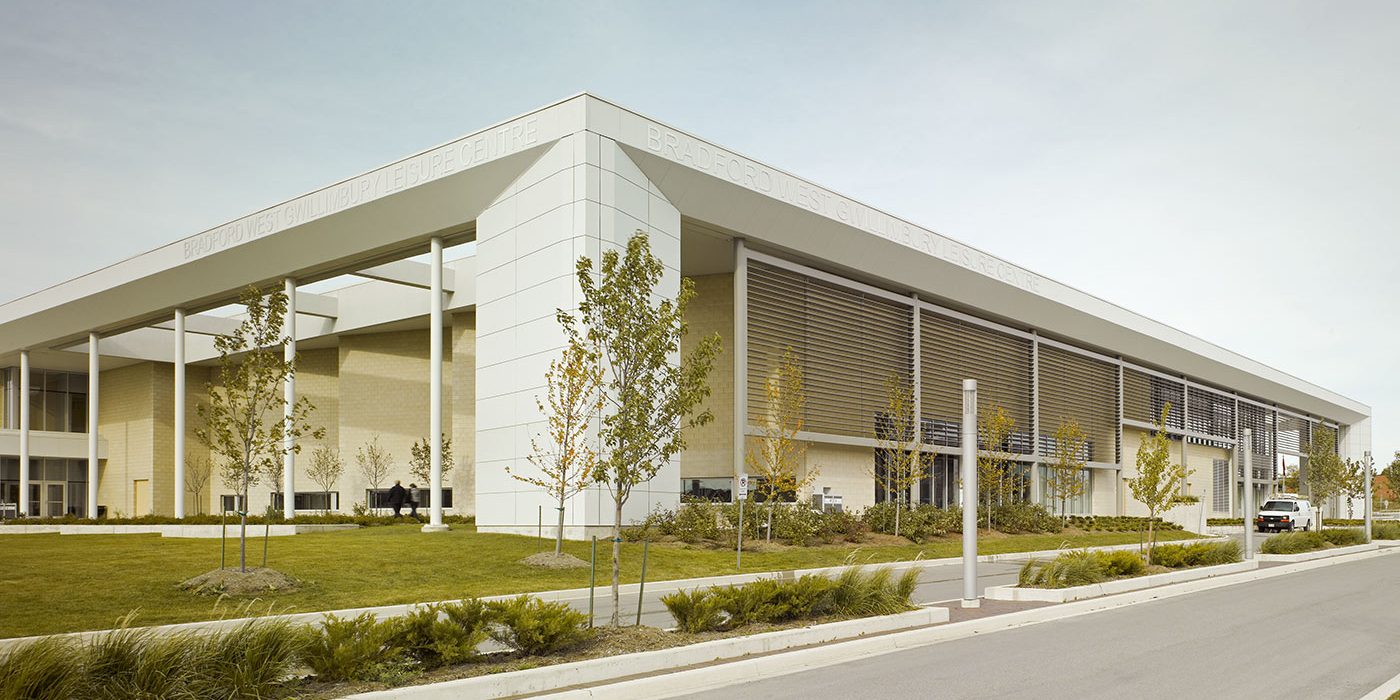
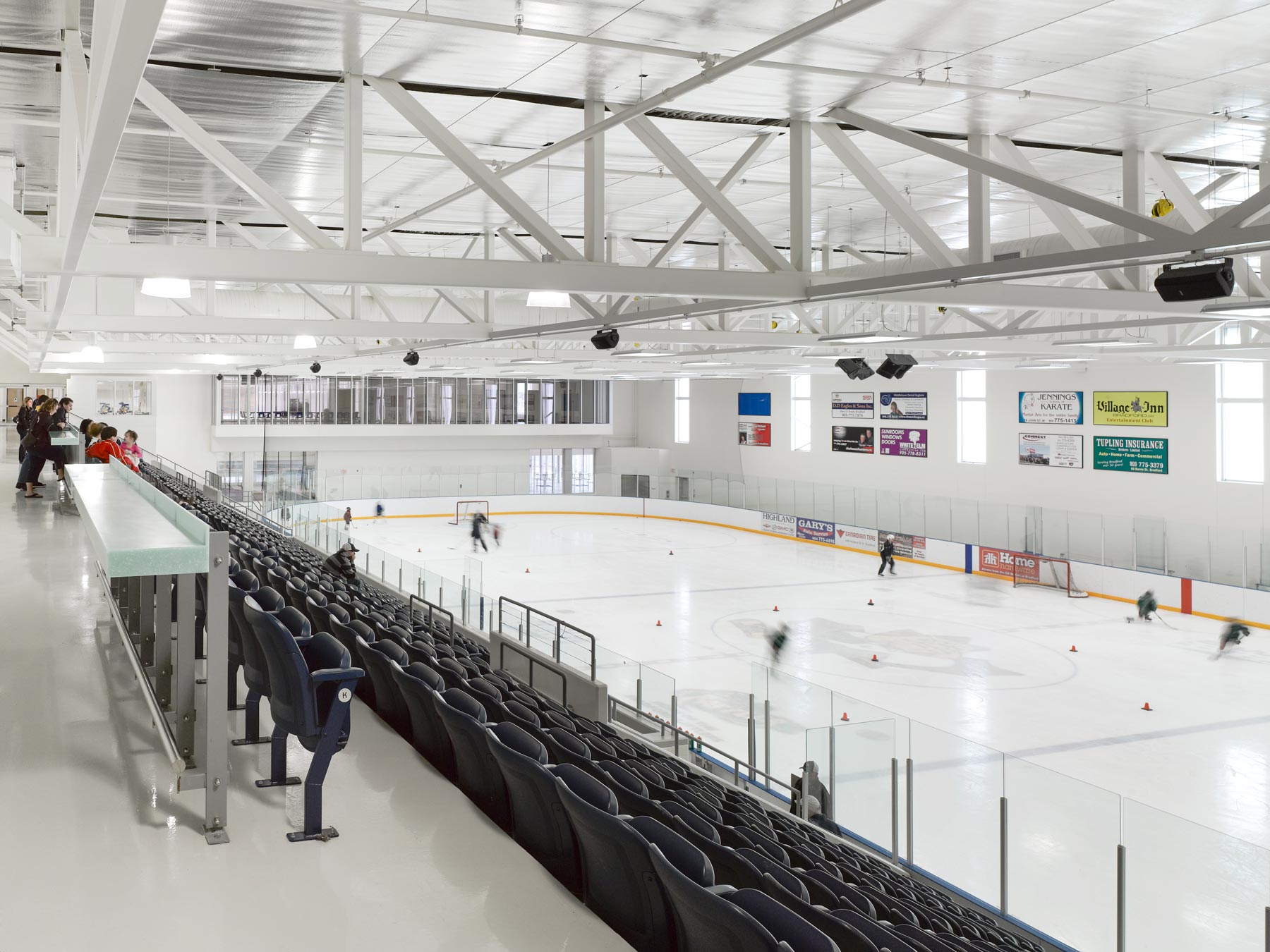
Visioning sessions with the Town of Bradford West Gwillimbury and open night sessions for community input, drove the best fit facility features for the Bradford Leisure Centre. The interior program consists of four major components: an NHL-sized twin pad facility with seating for up to 900 people, a pool complex, a double gymnasium with a walking/running track, and community service spaces.
Bradford Leisure Centre
Client: Town of Bradford West Gwillimbury
Categories: Institutional, Community Centre, Exercise & Leisure
Size: 150,000 sq. ft.
Construction Value: $33 Million
Services: Prime Consulting, Community Engagement, Architectural Design, Interior Design, Contract Administration
Location: Bradford ON
Sustainability: LEED Silver Performance
Status: Completed 2012
Collaborators:
In Association with Lett Architects
Structural – Ravens Engineering
Electrical – Smith and Andersen
Mechanical – Smith and Andersen
Civil – Skelton Brumwell & Associates
LEED / Sustainability – Enermodal Engineering
Landscape – Basterfield & Associates


Sustainability
The long-term care facility is taking sustainable targets in it’s stride. While budgets are dictating achievable certification, the owners of the facility are certainly engaged in taking as many elements of sustainable responsibility and applying it to their new building. Concentrating on material selection for sustainable resourcing, carbon capture characteristics and post life environmental impact evaluation, the village construction is set to achieve LEED Silver with additional checkpoints that meet some requirements of Net Zero Carbon, Net Zero Energy and Passive House.
The LEED Silver target, means the building is designed and built for improved efficiency, lower carbon emissions and creates a healthier place for the people that live, work and built it. During the design process, we used life cycle analysis tools to develop a Building Life Cycle Impact and Impact Reduction Report. This was used to help us determine building systems, materials, alternative strategies as well as estimated building performance levels once completed and occupied.